Darknet Markets 2026:
The dark web is part of the deep web but is built on darknets: overlay networks that sit on the internet but which can't be accessed without special tools or software like Tor. Tor is an anonymizing software tool that stands for The Onion Router — you can use the Tor network via Tor Browser.
| Darknet Market | Established | Total Listings | Link |
|---|---|---|---|
| TorZon Market | 2022 | 140+ | Onion Link |
| Nexus Market | 2024 | 600+ | Onion Link |
| Abacus Market | 2022 | 100+ | Onion Link |
| Ares | 2026 | 100+ | Onion Link |
| Cocorico | 2023 | 110+ | Onion Link |
Updated 2026-10-26
How Darknet Markets Use Crypto and Escrow for Safe Deals
The operational model of a darknet marketplace is a sophisticated synthesis of e-commerce principles and cryptographic technologies, designed to facilitate anonymous commerce. The process begins with user access through the Tor network, which obfuscates the connection and hides the location of both the marketplace server and the user. Upon reaching the site, a user encounters a familiar online shopping interface, categorized by substance type, region, and other filters.
Transaction security is paramount and is achieved through the exclusive use of cryptocurrencies like Bitcoin or Monero. These currencies provide a decentralized payment method where financial transfers are recorded on a public ledger but are not directly tied to real-world identities. To further enhance security, most transactions utilize an escrow system. When a buyer places an order, their cryptocurrency is held in escrow by the marketplace itself, only being released to the vendor once the buyer confirms receipt of the product. This mechanism directly addresses the inherent trust deficit in anonymous environments.
Trust is further institutionalized through transparent feedback and rating systems. Vendors accumulate detailed reviews and scores based on transaction history, product quality, and shipping reliability. This creates a powerful self-regulating economy where reputable sellers are economically rewarded with more business, while unreliable actors are quickly identified and marginalized by the community. The entire ecosystem operates on a foundation of cryptographic encryption for all communications and financial dealings, ensuring that interactions remain confidential and secure from external observation.
How Darknet Markets Use Privacy Tools for Secure Shopping
The operational core of a darknet marketplace is a sophisticated framework designed to facilitate anonymous transactions. This begins with user access through the Tor network, which obfuscates IP addresses and physical location. Upon entry, participants engage using pseudonyms, creating a layer of separation from their real-world identities.
Financial privacy is achieved through cryptocurrency payments, primarily Bitcoin or Monero. These digital currencies function on decentralized ledgers, allowing for value transfer without involving traditional financial institutions that require personal identification. The transaction process typically follows a structured path:
- A buyer selects a product and sends cryptocurrency to a multisignature escrow system controlled by the market.
- The vendor is notified and ships the product.
- Upon successful delivery, the buyer releases funds from escrow to the vendor.
This escrow mechanism is fundamental for establishing trust between anonymous parties. It prevents vendors from taking payment without shipping and buyers from falsely claiming non-receipt. Trust is further reinforced by transparent vendor rating and review systems. Historical performance data, including detailed feedback on product quality and shipping reliability, allows buyers to make informed decisions, promoting a self-regulating environment where reputable sellers thrive.
The entire ecosystem operates on principles of cryptographic security and community-driven accountability, enabling commerce based on demonstrated reputation rather than personal identity.
How Crypto Payments Make Darnet Drug Trade Safe and Easy
The operational backbone of any darknet marketplace is its payment system. Traditional financial networks are incompatible with the requirement for anonymity, making cryptocurrency the indispensable solution. Transactions using Bitcoin, Monero, or other cryptocurrencies provide a layer of separation between a user's real-world identity and their marketplace activity. Payments are not linked to personal names or bank accounts but to cryptographic wallet addresses.
This system functions through a process of on-blockchain verification. When a buyer initiates a purchase, funds are sent to a marketplace-controlled escrow wallet. The cryptocurrency network confirms the transaction, recording it on a public ledger, but the parties involved remain pseudonymous. Only the marketplace has the multi-signature keys to release the funds, which occurs automatically upon the buyer confirming satisfactory receipt of the product. This method ensures that vendors are paid for completed sales while protecting buyers from fraud.
The security of this model is enhanced by the inherent properties of cryptocurrency:
- Transactions are irreversible, preventing chargebacks and fraudulent claims after delivery.
- Advanced cryptocurrencies offer improved fungibility and privacy, making transaction history analysis difficult.
- The global and decentralized nature of crypto networks allows for seamless cross-border commerce without intermediary banks.
This financial infrastructure creates a secure environment for commerce, enabling the reliable exchange of value that is fundamental to the darknet ecosystem's growth and stability.

How Escrow Makes Buying Drugs on the Darknet Safe and Fair
The fundamental challenge of any remote commerce, especially on darknet markets, is the lack of inherent trust between a buyer sending funds and a vendor shipping a product. The escrow system is the engineered solution to this problem, acting as a neutral third party that secures the transaction. When a customer places an order, their cryptocurrency payment is not sent directly to the seller. Instead, it is held in a secure, market-controlled escrow wallet. This mechanism ensures the vendor has a financial incentive to fulfill the order correctly.
Only after the buyer receives the product and confirms its satisfactory arrival does the market release the funds from escrow to the vendor. This process directly mitigates the risk of fraud. For the buyer, it provides a safety net against vendors who might otherwise take payment and not ship the items. For reputable vendors, it guarantees they will be paid for completed orders, as the funds are already secured and cannot be unilaterally taken back by the buyer. The system creates a balanced, transactional trust where both parties are protected during the exchange's most vulnerable phase.
The operational flow is straightforward:
- The buyer selects a product and submits payment, which is locked in escrow by the market software.
- The vendor is notified of the secured sale and dispatches the order.
- The buyer marks the order as received and finalizes it, triggering the escrow release.
- If a dispute arises, market moderators can intervene to review evidence and adjudicate the release of funds.
This automated yet moderated process fosters a stable commercial environment. It allows buyers to engage with new vendors with reduced apprehension and enables vendors to build a positive reputation through consistently completed transactions. The escrow system, therefore, is not merely a payment feature but the core trust infrastructure that makes large-scale, anonymous darknet commerce functionally possible and economically rational for all participating actors.
How Darknet Reviews Build Trust and Quality
The vendor rating and review system is the primary mechanism for establishing quality assurance on a darknet marketplace. It functions as a decentralized and transparent form of peer verification, directly addressing the inherent anonymity that defines these platforms. Without the possibility of traditional legal recourse, the community collectively enforces standards through detailed feedback.
Every completed transaction can be followed by a review, where buyers evaluate the product quality, stealth of shipping, communication, and delivery speed. These reviews are aggregated into a public vendor profile, displaying a numeric score and a detailed history. This creates a powerful economic incentive for vendors to maintain consistent high standards, as their reputation directly correlates with their sales volume and ability to command premium prices. A vendor with a long history of positive feedback becomes a trusted seller, reducing perceived risk for new buyers.
The system is designed to be resistant to manipulation. Market administrators typically implement safeguards such as:
- Allowing reviews only from accounts that finalized the transaction via escrow.
- Weighting reviews from established buyers more heavily than those from new accounts.
- Providing separate metrics for product and shipping, offering a more nuanced performance picture.
This creates a self-correcting environment where poor-quality products or fraudulent vendors are quickly identified and marginalized by the community's collective assessment, fostering a reliable commercial ecosystem.
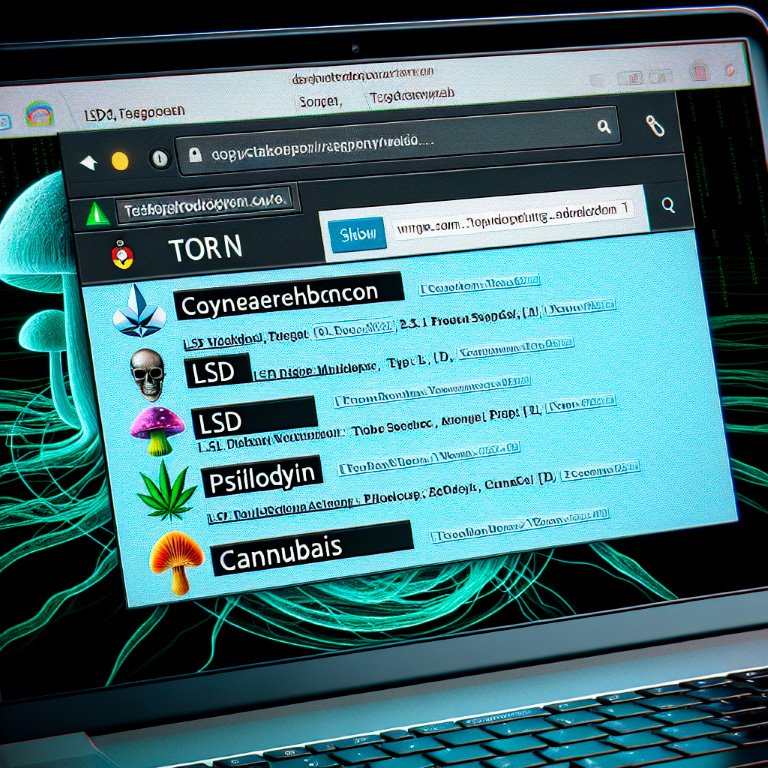
Clear Listings and Wide Drug Selection on the Darknet
The operational efficiency of darknet markets is fundamentally enabled by their detailed product listings. These listings function with a precision and transparency often surpassing that of conventional e-commerce platforms for legal goods. Each vendor provides exhaustive specifications for their products, which typically include:
- Chemical name, purity percentage, and net weight.
- High-resolution photographs from multiple angles, often with verification codes to prove possession.
- Clear pricing in cryptocurrency, with options for different quantities.
- Specific shipping methods, destinations, and expected delivery timelines.
- Explicit warnings about substance potency and recommended dosage guidelines.
This level of detail reduces transactional ambiguity and sets clear expectations, directly contributing to buyer satisfaction and positive feedback. The variety of substances available is vast, systematically categorized to facilitate navigation. Markets typically feature sections for stimulants, psychedelics, opioids, prescription medications, and precursor chemicals. This categorization allows consumers to make informed comparisons between vendors based on product type, price point, and geographic origin. The competitive environment incentivizes vendors to specialize, leading to markets offering niche or high-purity products that are difficult to source elsewhere. The breadth of inventory demonstrates the platform's role as a centralized hub, meeting diverse consumer demand through a standardized, information-rich interface that prioritizes clarity and choice.
How Darknet Markets Build Trust and Safety
The operational model of a darknet marketplace is fundamentally built upon principles of decentralized trust and community governance. Unlike traditional e-commerce platforms, these markets lack a central legal authority, necessitating the development of internal systems to ensure reliability and safety for all participants. This self-regulation is achieved through a combination of technological frameworks and collective user behavior.
The cornerstone of this ecosystem is the escrow system. When a buyer places an order, their cryptocurrency payment is held in escrow by the market's automated software. The funds are only released to the vendor after the buyer confirms successful receipt of the product. This mechanism protects buyers from fraudulent vendors who might not ship items, while simultaneously assuring vendors that payment is secured before they dispatch an order. It effectively removes the need for a trusted third party, replacing it with a transparent, code-enforced process.
Complementing escrow is the user review and rating system. After a transaction, buyers can leave detailed feedback on the product's quality, the stealth of packaging, and the vendor's communication speed. These cumulative ratings create a visible reputation for each seller. A vendor with hundreds of positive reviews naturally attracts more business, whereas one with poor feedback is quickly marginalized. This creates a powerful economic incentive for vendors to maintain high standards, as their livelihood on the platform depends directly on their reputation.
Further community-driven oversight is provided through forum discussions and warning boards. Users actively report scams, discuss vendor reliability, and share experiences. This collective intelligence acts as an early warning system, identifying bad actors faster than any top-down monitoring could. The market administration itself often intervenes only in cases of proven scam or dispute, relying on this community-sourced data to make decisions. The entire structure functions as a self-policing economy, where trust is not assumed but must be continuously earned and verified through successful transactions and peer validation.

How the Darknet Builds Its Own Safe Market for Drugs
The operational framework of darknet markets is fundamentally architected to function autonomously from state-controlled regulatory systems. This autonomy is not a byproduct but the core design principle, enabling a free market for goods and services deemed illegal under traditional jurisdictions. The system replaces external oversight with a sophisticated internal structure built on cryptographic principles and community-driven mechanisms.
This self-containment begins with anonymous access through networks like Tor, which obfuscates user IP addresses and location data. Anonymity is further cemented by the exclusive use of cryptocurrencies such as Bitcoin or Monero. These digital currencies facilitate peer-to-peer value transfer without the involvement of financial institutions, making transactions pseudonymous and difficult to trace through conventional financial monitoring channels.
Trust, a commodity typically enforced by legal contracts and regulatory bodies, is generated internally through two pivotal systems:
- The escrow service acts as a neutral third party, holding a buyer's cryptocurrency in reserve until the product is delivered and confirmed. This mechanism directly mitigates the risk of fraud by aligning the vendor's incentive to deliver with the release of payment.
- Vendor ratings and detailed feedback create a transparent reputation economy. A vendor's history of successful transactions, product quality, and shipping reliability is publicly archived, allowing buyers to make informed decisions. High-rated vendors gain more business, which incentivizes honest and efficient service, effectively regulating market quality.
Product listings are comprehensive, often including photographs, chemical purity analyses, and precise descriptions, which provide a level of consumer information that can exceed that of unregulated street markets. This environment demonstrates a functional, self-sustaining commercial ecosystem. It operates on a model where cryptographic security enables anonymity, decentralized finance facilitates trade, and crowdsourced reputation ensures market integrity, collectively forming a parallel commercial structure independent of traditional regulatory imposition.