Darknet Markets 2026:
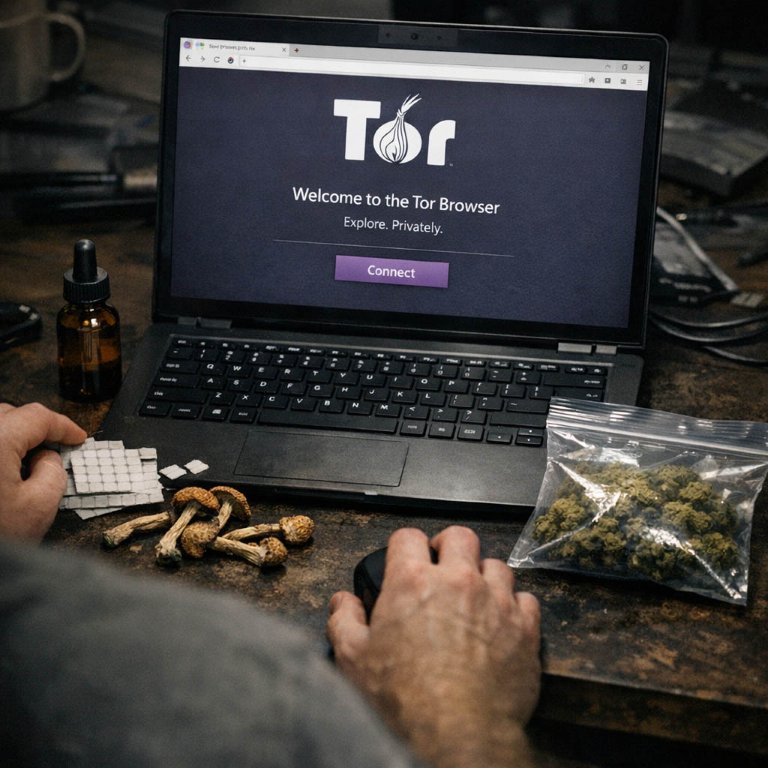
The dark web is part of the deep web but is built on darknets: overlay networks that sit on the internet but which can't be accessed without special tools or software like Tor. Tor is an anonymizing software tool that stands for The Onion Router — you can use the Tor network via Tor Browser.
| Darknet Market | Established | Total Listings | Link |
|---|---|---|---|
| TorZon Market | 2022 | 140+ | Onion Link |
| Nexus Market | 2024 | 600+ | Onion Link |
| Abacus Market | 2022 | 100+ | Onion Link |
| Ares | 2026 | 100+ | Onion Link |
| Cocorico | 2023 | 110+ | Onion Link |
Updated 2026-10-26
How Darknet Lists Help You Find Good Markets and Vendors
A darknet market list functions as a critical directory for navigating decentralized commerce platforms. It aggregates operational markets, presenting key metrics that allow users to identify platforms optimized for secure shopping and engagement with trusted vendors. These lists work by continuously monitoring market uptime and accessibility, filtering out unreliable or defunct sites.
The core mechanism involves tracking user-generated data. Lists compile and display:
- Real-time user reviews and ratings for each market.
- Vendor reputation scores and feedback history.
- Operational features like escrow services and dispute resolution.
- Supported currencies and transaction methods.
How Lists Check Uptime and Reviews for Safe Shopping
A darknet market list functions as a dynamic monitoring tool, aggregating critical operational data to assess platform reliability. The primary metric is market uptime, which is tracked through automated scripts that ping market URLs at regular intervals. This provides a near real-time status of accessibility, distinguishing between temporary glitches and prolonged outages. Consistent uptime is a strong indicator of a market's operational security and administrative competence, directly influencing its ranking on such lists.
User reviews and ratings form the qualitative counterpart to this quantitative data. These are collected from verified purchase accounts and compiled to generate aggregate scores. The review system typically breaks down feedback into several components:
- Vendor communication and shipping speed
- Product quality relative to its description
- The effectiveness and discretion of packaging
- The fairness and functionality of the escrow system
This crowdsourced information creates a transparent reputation economy. A market with a high volume of positive reviews demonstrates a successful history of fulfilled transactions. Lists analyze review trends, flagging markets where complaint frequency spikes regarding selective scamming or withdrawal issues. This continuous feedback loop allows the community to collectively identify and promote platforms that facilitate secure shopping and support trusted vendors, while demoting those that fail to meet established standards.
How Product Categories Make Darknet Shopping Safer and Easier
The organization of a darknet market into clear product categories is a primary factor in its ranking on a reputable list. A well-structured category system directly facilitates secure shopping by allowing users to efficiently locate specific goods, thereby reducing time spent on the platform and minimizing exposure. Markets that implement detailed, logical categorizationsuch as separating substances by type, or distinguishing digital goods from physical itemsdemonstrate a higher level of operational professionalism.
This structure aids in the evaluation of trusted vendors. When vendors are consistently listed within appropriate categories, it becomes simpler for buyers to compare feedback and reputation scores among competitors offering similar products. A market with fragmented or chaotic categorization often correlates with poor administration and higher risk. Therefore, a comprehensive darknet market list prioritizes platforms where categorization enhances user experience, supports informed decision-making, and contributes to a more self-regulating ecosystem where quality and specialization are easily identifiable.

How a Good List Makes Shopping on the Darknet Easier and Safer
A curated darknet market list functions as an essential discovery and vetting tool, directly enhancing ecosystem usability by aggregating and standardizing critical operational data. It reduces the significant time and risk investment required for individual market evaluation. Users benefit from a centralized source of comparative metrics, moving beyond guesswork to informed selection.
The primary mechanism is the aggregation of real-time uptime statistics and user feedback. A reliable list tracks market availability, filtering out unstable or exit-scamming platforms before a user even attempts access. Concurrently, compiled reviews offer a crowd-sourced assessment of a market's administration, interface reliability, and dispute resolution fairness. This pre-screening creates a safer starting point for all subsequent activities.
For finding the best markets for secure shopping and trusted vendors, a good list provides structured pathways. Product category organization within the list allows users to identify markets specializing in their area of interest, as a platform with a deep and well-reviewed vendor base in a specific category typically indicates higher overall product quality and vendor professionalism. Furthermore, lists that highlight features like multisignature escrow and multi-currency support directly point users toward platforms with stronger security and privacy architectures.
The list inherently leverages the ecosystem's self-regulating nature. It surfaces markets where vendor reputation systems are robust and actively used. A market featuring detailed vendor profiles, verifiable sales history, and transparent feedback is prominently ranked, as these features demonstrably reduce fraud. Thus, the list does not create security but efficiently maps where it already exists, guiding users to environments where secure transactions and trusted vendor relationships are the norm, not the exception.
How Escrow Makes Darknet Deals Safer
Escrow services are a fundamental security feature on leading darknet markets, directly enabling safer transactions by acting as a trusted third party. When a buyer places an order, their funds are held by the market's escrow system and are not released to the vendor until the buyer confirms satisfactory receipt of the product. This mechanism effectively mitigates the primary risk of fraud by ensuring vendors are paid only upon successful delivery, which incentivizes honest business practices and high-quality product shipping.
The operational model is straightforward but powerful. A transaction follows a clear sequence:
- The buyer submits payment, which is immediately placed into escrow.
- The vendor is notified and ships the order.
- Upon delivery, the buyer finalizes the order, triggering the escrow to release funds to the vendor.
This process creates a balanced self-regulating ecosystem. Vendors with consistent positive feedback receive their payments promptly, building their reputation. For buyers, the security of knowing their funds are protected until they are satisfied reduces the anxiety associated with anonymous online trade. Disputes are handled through the market's internal resolution system, where moderators can review communication and evidence before adjudicating the release of escrowed funds. Consequently, markets that reliably administer escrow attract more reputable vendors and a larger user base, as the financial risk for all parties is significantly lowered, fostering a more stable and trustworthy commercial environment.

How Multi-Currency Support Makes Darknet Shopping Safer and Easier
Multi-currency support on a darknet market list directly addresses a primary operational hurdle for users: financial accessibility and anonymity. By highlighting platforms that accept various cryptocurrencies beyond just Bitcoin, such as Monero (XMR) or Litecoin (LTC), these lists facilitate a lower-barrier entry into the ecosystem. Bitcoin transactions, while pseudonymous, leave a public ledger trace that can be analyzed. Markets that integrate privacy-centric coins like Monero offer significantly enhanced transaction obfuscation by default, which is a critical feature for security-conscious shoppers.
The practical benefit is twofold. First, it allows users to transact with the currency they already hold or can most easily acquire, streamlining the process. Second, and more critically, it empowers users to make informed choices based on their personal security model. A comprehensive list will detail which currencies each market accepts, enabling a user to prioritize platforms that align with their privacy requirements. This functionality transforms a market list from a simple directory into a strategic tool for risk mitigation.
From a market's perspective, offering multi-currency support, especially including privacy coins, is a competitive advantage that attracts a broader, more sophisticated user base. It signals a commitment to user security and operational flexibility. Consequently, a darknet market list that filters and ranks by this feature effectively curates a selection of platforms that are more adaptable and generally more invested in the long-term sustainability of their service, which indirectly benefits vendor stability and overall market reliability for the end user.
How Reputation Scores Keep Darknet Markets Reliable
A vendor's reputation score is the primary metric for assessing reliability on a darknet market list. This system aggregates quantitative and qualitative data from past transactions into a visible rating, similar to conventional e-commerce platforms. The score is calculated from completed orders, with positive feedback increasing it and negative feedback or disputes causing a decrease. High-volume vendors with consistently positive ratings are typically ranked at the top of market-specific vendor lists, providing a clear hierarchy of trust.
The feedback mechanism is detailed, extending beyond a simple star rating. Buyers leave comments on specific product quality, shipping speed, and stealth packaging. This creates a transparent record for future customers. Markets often feature a verification badge or trust level for vendors who sustain high ratings over hundreds of sales, adding another layer of credentialing. This environment incentivizes vendors to maintain high standards, as their business viability depends directly on their public score.
Reputation systems create a self-policing ecosystem. Fraudulent or unreliable vendors are quickly identified through negative reviews, which warn other users and lead to a declining score. This makes it difficult for such vendors to operate profitably. Consequently, markets with robust feedback mechanisms exhibit higher overall quality of service and product consistency. For the user, consulting these reputation metrics before a purchase significantly reduces risk and contributes to a more secure and predictable shopping experience.
How Reviews Build Trust on the Darknet
The feedback and review systems on darknet markets function as a continuous, automated mechanism for quality control. Every transaction generates data points that collectively guide user decisions and shape vendor behavior. This creates a self-regulating ecosystem where trust is not assumed but must be consistently earned and verified.
A vendor's reputation score is a direct aggregate of past customer experiences. High scores and positive reviews signal reliability in product quality, shipping speed, and stealth packaging. This transparent record allows buyers to make informed choices, effectively crowdsourcing the vetting process. Conversely, consistent negative feedback quickly identifies and marginalizes unreliable vendors, as their listings become less visible and less trusted.
The system's effectiveness relies on its granularity. Reviews often detail specific aspects of a transaction:
- The accuracy of the product's advertised potency or purity.
- The efficiency and discretion of the shipping process.
- The clarity and timeliness of communication with the vendor.
This detailed feedback loop incentivizes vendors to maintain high standards. The economic imperative to protect a long-term, profitable reputation outweighs the short-term gain from a single fraudulent sale. For the user, consulting this accumulated feedback is the most practical method for finding the best darknet markets for secure shopping and trusted vendors, as it provides real-world proof of a market's operational health and the reliability of its participants.
Updated Lists Make Shopping Safer and Easier
An updated darknet market list functions as a critical real-time filter for the ecosystem, directly enhancing user safety and transactional efficiency. It provides a current snapshot of operational markets, filtering out those that are offline or have been compromised, which reduces the risk of financial loss. This constant curation transforms the list from a simple directory into a dynamic reliability index.
The primary mechanism for this is the aggregation of user feedback and uptime metrics. Lists track which platforms consistently honor escrow releases and facilitate smooth transactions. A market's position on a reputable list is often a direct reflection of its recent operational integrity and vendor performance. Users leverage this compiled data to select platforms with proven stability, leading to more predictable and secure shopping outcomes.
Furthermore, these lists streamline the process of finding specialized vendors. By organizing markets according to their product categories and vendor reputation tiers, they enable users to quickly locate communities that align with their specific needs. This organization supports a self-regulating environment where high-quality vendors and reliable markets are naturally promoted through positive user reviews and consistent service, while poor performers are deprecated.
The result is a significantly improved user experience. Access to updated information minimizes time spent vetting individual markets and vendors independently. It creates a more efficient pathway to secure transactions, allowing users to engage with confidence in a constantly evolving environment. The list itself becomes an essential tool for navigating the darknet's commercial landscape, where current data is the foundation of security and satisfaction.