Darknet Markets 2026:
The dark web is part of the deep web but is built on darknets: overlay networks that sit on the internet but which can't be accessed without special tools or software like Tor. Tor is an anonymizing software tool that stands for The Onion Router — you can use the Tor network via Tor Browser.
| Darknet Market | Established | Total Listings | Link |
|---|---|---|---|
| TorZon Market | 2022 | 140+ | Onion Link |
| Nexus Market | 2024 | 600+ | Onion Link |
| Abacus Market | 2022 | 100+ | Onion Link |
| Ares | 2026 | 100+ | Onion Link |
| Cocorico | 2023 | 110+ | Onion Link |
Updated 2026-10-26
How Cryptocurrency Makes Darknet Shopping Safe and Private
The foundation of secure shopping on the darknet is the integration of cryptocurrency with advanced encryption. Transactions utilize currencies like Monero or Bitcoin, which operate on decentralized ledgers, removing traditional financial intermediaries. This financial layer is paired with network-level privacy tools, specifically the Tor browser, which anonymizes a user's connection and location. Together, these technologies create a transactional environment where financial and personal identities are separated from the act of purchasing.
Operational security extends to the marketplace platforms themselves. Reputable darknet markets implement escrow systems and feedback mechanisms. The escrow service holds the buyer's cryptocurrency in a secure third-party account until the product is received and confirmed. This structure financially incentivizes vendor honesty. The public feedback and rating system provides a transparent record of a vendor's reliability, product quality, and shipping practices, allowing buyers to make informed decisions based on community verification.
Successful navigation requires a procedural approach:
- Select vendors with a long-established history and a high volume of positive feedback.
- Always use market-provided escrow; direct deals without protection carry significant risk.
- Employ PGP encryption for all sensitive communication, including shipping details.
How Encryption Keeps Darknet Shopping Private
The foundation of privacy on the darknet is end-to-end encryption. This technology ensures that communication between a buyer and a vendor is scrambled, making it readable only by the intended recipient. When a user accesses a marketplace, the connection is secured by Tor encryption and often a VPN, masking the user's IP address and physical location. This layered approach creates a private tunnel for all activities.
Transactions are protected by cryptocurrency like Bitcoin or Monero. While Bitcoin offers pseudonymity, Monero provides stronger anonymity by obscuring transaction details on its blockchain. Funds are held in a marketplace escrow system until the order is fulfilled, preventing fraud. The entire process is designed so that no single party has complete information:
- Vendors see orders but not the buyer's real identity.
- Marketplaces facilitate the transaction but cannot access the encrypted messages.
- Payment processors confirm the transfer but cannot easily link it to a specific product or individual.
This compartmentalization, enforced by encryption, effectively separates a user's identity from their transaction history. It allows for confidential commerce where personal safety and discretion are prioritized through technological means, not just policy.
How Feedback and Escrow Make Darnet Drug Trade Safe and Reliable
The decentralized and anonymous nature of darknet markets requires robust, system-implemented mechanisms to foster trust between buyers and vendors who cannot rely on traditional legal frameworks. This trust is primarily engineered through two integrated features: feedback systems and escrow services. These systems transform subjective reputation into a quantifiable and transparent metric, creating a self-regulating economic environment.
Vendor feedback operates as a continuous performance audit. Each completed transaction allows the buyer to leave a rating, typically on a scale of one to five stars, accompanied by textual comments. This creates a persistent reputation score that is publicly displayed. A vendor with thousands of high-rated sales accumulates significant social capital, which directly correlates with their visibility and sales volume on the platform. The feedback comments provide specific, actionable data beyond the numerical rating, detailing:
- Product quality and accuracy of the description
- Stealth and professionalism of packaging
- Shipping speed and reliability
- Clarity and timeliness of communication
This transparent history allows new buyers to make informed decisions based on collective experience, effectively crowd-sourcing vendor vetting. It incentivizes vendors to maintain high standards, as negative feedback is permanently recorded and impacts future business.
The escrow system is the financial counterpart to the feedback mechanism, directly addressing the risk of fraud. When an order is placed, the buyer's cryptocurrency is held in a secure, market-controlled escrow account. The funds are only released to the vendor after the buyer confirms satisfactory receipt of the product. This neutral third-party function eliminates the risk of vendors accepting payment and not shipping items, or shipping substandard products. For particularly high-value transactions, a multisignature escrow option is often available, requiring two out of three cryptographic keys (belonging to buyer, vendor, and market moderators) to release funds, adding an extra layer of security and dispute resolution. The integration of escrow with mandatory finalization ensures that the financial transaction aligns with the feedback loop, completing a trust cycle that protects both parties and underpins the functional stability of the darknet marketplace.
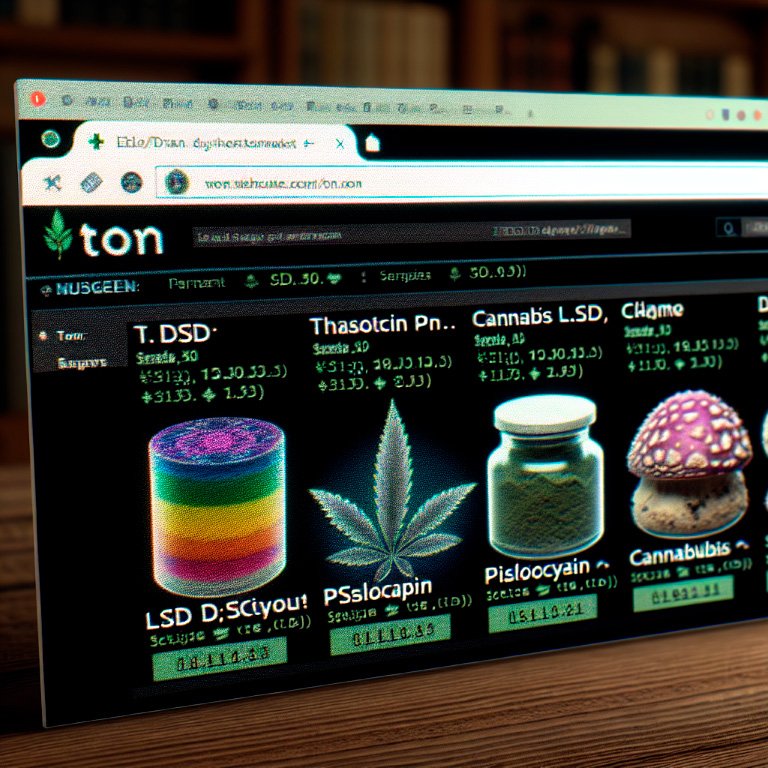
Huge Variety of Drugs on the Darknet
The darknet provides an extensive catalog of substances, far surpassing the limited variety typically available in local illicit markets. This selection is a direct function of a global, decentralized network of vendors operating without geographical constraints. A buyer can source products ranging from common cannabis and stimulants to prescription medications and novel psychoactive substances, often with detailed specifications regarding purity, origin, and chemical composition.
This diversity is facilitated by the platform-based structure of darknet markets, which function as aggregated retail spaces. Vendors compete on product quality, price, and service, leading to a consumer-driven environment. Each product listing typically includes:
- Standardized photographs and detailed textual descriptions.
- Explicit purity percentages or potency levels.
- Transparent pricing in cryptocurrency.
- A historical record of vendor transactions and customer feedback.
The feedback and escrow systems are integral to this model, creating a self-regulating mechanism that rewards reliable vendors with higher visibility and sales volume. Consequently, markets with robust feedback systems tend to exhibit a higher overall standard of product consistency and vendor accountability. The result is a commercial ecosystem where access to a wide array of products is matched by systems designed to mitigate risk for the buyer through transparency and peer review.
Safe and Private Delivery from the Darknet
The logistical framework of darknet markets is engineered for user convenience and operational security. Transactions conclude with the direct shipment of products to a specified address, eliminating intermediaries and reducing points of failure. This model provides a discreet and reliable alternative to conventional street purchases, which often involve unpredictable personal interactions and higher risks.
Vendors employ sophisticated stealth packaging techniques to ensure parcels blend seamlessly with ordinary mail. Methods include:
- Vacuum sealing to prevent odor
- Mylar bags to block X-ray scans
- Creative concealment within everyday items
This professional approach to clandestine shipping significantly lowers the probability of interception, protecting both the buyer and the seller. The system relies on established postal or courier services, leveraging their vast volume to maintain anonymity. Tracking numbers provided by vendors allow buyers to monitor delivery progress, adding a layer of transactional transparency and predictability absent in traditional illicit markets.
The entire process, from order placement to final delivery, is designed for minimal external contact. This efficiency and discretion form a core component of the darknet ecosystem's value proposition, meeting demand through a secure, customer-oriented supply chain.

How Darknet Markets Keep Getting Better
The operational framework of darknet markets is defined by a continuous cycle of adaptation and evolution. This is not a static system but a dynamic one that responds to both technical challenges and user demands. The primary driver is the need to maintain service integrity and user security in a unique environment.
When a market faces disruption, the ecosystem demonstrates resilience through vendor migration and forum coordination. Established vendors quickly relocate their shops to new or competing platforms, bringing their reputation and feedback history with them. This process is facilitated by community discussions on independent forums, which act as a stabilizing backbone, preserving the network of trust outside any single website's infrastructure.
Technologically, markets adapt by implementing enhanced security protocols and operational security (OPSEC) measures for administrators. This includes:
- More sophisticated encryption for private messages and transaction details.
- The use of multi-signature escrow to decentralize financial custody and reduce fraud risk.
- Regular code audits and the adoption of open-source software to identify vulnerabilities.
This adaptive nature directly benefits the consumer by fostering a more secure and reliable purchasing environment. Each iteration of a market typically incorporates lessons learned from past failures, leading to improved design. The result is a system that prioritizes transactional security, discreet logistics, and community-driven accountability, ensuring consistent access and reduced risk for its users.
Easy-to-Use Darknet Markets for Shopping
The evolution of darknet markets has prioritized user experience, transforming complex systems into accessible platforms. Modern markets function with an interface and logic comparable to mainstream e-commerce sites. A new user typically encounters a familiar structure: a searchable catalog, vendor storefronts, a shopping cart, and a checkout process.
This design philosophy reduces technical barriers. Navigation is intuitive, with products organized into clear categories and subcategories. Each listing provides detailed specifications, akin to a product page on any retail site. Essential information is standardized and includes:
- Product name, purity, and quantity
- Vendor's name and reputation score
- Price in cryptocurrency
- Shipping options and origin country
- Encrypted communication channels for inquiries
The transaction mechanism is streamlined. After selecting items, the buyer sends cryptocurrency to a secured escrow account managed by the market. This system holds the funds until the buyer confirms receipt and satisfaction with the product, releasing payment to the vendor. This built-in protection is a core feature that fosters trust. Feedback and rating systems are equally critical, offering a transparent record of a vendor's reliability and product quality based on community reviews.
Access to these platforms is managed through Tor browser or similar anonymity networks, which are now more user-friendly than ever. While requiring an initial setup, their operation is straightforward. The combination of a simplified interface, integrated security features like escrow, and accessible anonymity tools creates an ecosystem where the focus shifts from navigating technology to evaluating commerce.

How the Darknet Keeps Drug Trade Running Smoothly
The darknet ecosystem demonstrates significant resilience through its decentralized and adaptive structure. Its core architecture, built on peer-to-peer networks and cryptocurrency transactions, lacks a central point of failure. This design ensures continuous operation and availability for users seeking privacy and access to goods.
Marketplaces and vendor shops operate with a high degree of autonomy. When one platform is compromised or voluntarily closes, its user base and vendors typically migrate to existing or newly established alternatives. This migration is facilitated by reputation systems, where a vendor's feedback score and transaction history become portable assets of trust. A vendor with a strong reputation can maintain their clientele independently of any single marketplace.
The ecosystem self-regulates through economic and social mechanisms rather than external enforcement. Escrow services protect buyers by holding funds until delivery is confirmed, while multisignature transactions offer an even higher standard of security by requiring multiple keys to release payment. Disputes are often resolved by dedicated, neutral moderators, fostering a system of order and accountability.
Technological innovation directly strengthens this resilience. The ongoing development of more anonymous cryptocurrencies and enhancements to routing protocols like Tor improve security for all participants. The community's shared commitment to privacy and operational security creates a collective defense, making widespread disruption logistically challenging. The ecosystem persists because it reliably fulfills a specific demand, and its distributed nature allows it to withstand and evolve in response to challenges.